Call Us: +86-15165964868Email: dzguanhua@dzguanhua.com

Tubular Compactor

What is Tubular Compactor


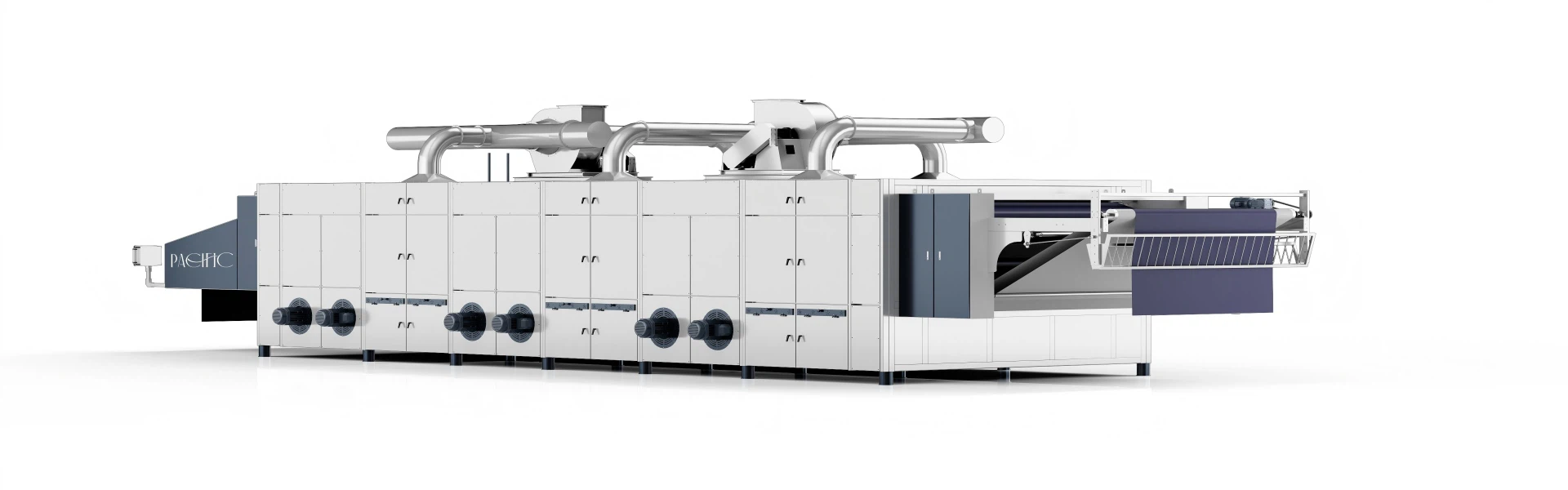
Tubular compactor machine has four basic sections, the entry section, the edge driver section, the compaction section and the output section. Tubular compacting machine is used after hydro extractor, dewatering machine and textile dryer. By this compactor machine, compacting is done for control the shrinkage of the fabric. Here, different types of off line quality of the fabric are measured.


Advantages of Tubular Compactor


Improved fabric quality: The compacting process helps to eliminate wrinkles, creases, and unevenness in the fabric, resulting in a smoother and more uniform surface.


Reduced fabric shrinkage: Tubular compactors can help reduce fabric shrinkage, ensuring that the fabric maintains its dimensions and shape even after multiple washes.


Enhanced fabric appearance: The compacting process can give fabrics a more polished and refined look, making them more visually appealing to customers.


Increased fabric density: By compressing the fabric, a tubular compactor increases its density, making it more suitable for certain applications that require a denser fabric structure.


Improved fabric performance: Compact fabrics are less prone to snagging, tearing, and pilling, resulting in improved durability and longevity.

 
Why Choose US
 
01/

Our Factory
Workshop dimension: More than 10000m².
Totally produced machine quantity:More than 2000sets
Exporting countries:More than 40 countries
Market share:80% in home market

02/

Our Product
Stenter machine, Balloon padder machine, Five ( seven)pass relax dryer, Tubular compactor, Tubular calander, Tubular heat setting machine, Rope open slitting machine, Open width compactor , Air turning And so on.

03/

Production Equipment
Machining facilities: CNC laser cutting machine,bending machine shearing machine,CNC lathe machines and so on.

04/

Production Market
Market share:80% in home market
Machine export to more than 40 countries .


Working Procedure of Tubular Compactor
Open Width Compactor Machine
productcate-380-380
productcate-380-380
productcate-380-380

The treatment of knit fabrics in tubular form on the Tubular compactor meets the exacting standards set by customers so that garment stitched from the fabric finished on this machine will yield the lowest residual shrinkage values.


Width control through a stepless adjustable special tubular fabric spreader driven by variable speed motor for distortion-free fabric guidance.


Steamping with a condensate-free steam box which is easily operated and completely made from stainless stell.


Compacting through two Nomex felt belts.


Calendaring while passing between the felt belt and the heated shrinking rollers.


Precision plaiting with automatic platform level adjustment controlled by folded fabric height. Alternatively, a fabric rolling system can be provided.


The fabric is fed through the guiding system and stretcher which then takes the fabric through the steam box onto the felt of the twin compacting units.


At the fabric delivery, the machine is equipped with a precision plaiting device with its platform. The height of the platform is controlled automatically and is adjustable according to the plaited fabric height.


An optical fabric density measuring sensor can provide the means to automatically control the compaction of a tubular compactor to achieve the desired course count. An automatic compaction control system based on density measurement and control will:


●Eliminate over- and under-weight fabric.


●Reduce or eliminate punch-weight measurements.


●Provide consistent results from all operators.


●Result in uniform fabric, seam-to-seam.


●Yield predictable residual shrinkage.


Important Parts of Tubular Compactor Machine


Machine structure
Overfeeding mechanism and Magnetic suspension stretcher plate


●Two set 0.75kw motor,which will power the screw to adjust the width of the overfeeding wheel and Magnetic suspension stretcher plate.


●Touch screen with display the fabrics width.


●The fabrics guiding wheel that on expander , use titanium material,which is used for aerospace materials. So no colour falling,no dirty to the fabrics,our competitors use Aluminum wheel or other materials,when the machine works for light colour,the fabrics are easy to be polluted .Magnetic levitation support plate guide cloth adopts American Gates-shaped belt transmission, the press printing width does not exceed 7mm, other companies use cylindrical overfeeding wheel feeding cloth, the press printing width is between 30-40mm


●There is photoelectric switch,which is used to control and trace the fabrics moving status(if fabrics has hole,the machine will stop automatically and alarming)


●The overfeeding speed is controlled by inverter motor.


●The magnetic levitation adopts the eight-character wheel mechanism to prevent the magnetic levitation support board from being brought into The felt and causing the damage to the support board or the felt


Steaming device
The steaming box is made of stainless steel and used to wet the fabrics before enter into the compacting unit. The nozzle adopts upper concave and lower protrude type to avoid steam condensation drops fall out.


There is one ball valve on the main pipe to control the steaming volume.


The steaming system also include steam-water separator and steam trap


Teflon plate used for guiding fabrics
We use Teflon plate to guide the fabrics,coz the Teflon plate has extremely small friction,so the fabrics has very small drag force,hence,the compacting result is better than our competitors brand(they do not use the Teflon plate)


Compacting mechanism
●This part is the core device of compacting,consist of two sets heating cylinder and high temperature resistant felt,which has 270 degree big wrap angle .The perimeter of felt is 4000mm,It is the longest compacting area machine in the current , and the output is 2 times of competitors.


●The fabrics enter the compacting unit through overfeeding wheel and magnetic suspension stretcher plate,under the mechanical action, the two sides of the fabric are compacting and setting. So the fabrics will be fully relaxed and contracted both vertically and horizontally. In a result,fabrics will have stable size,soft hand feeling surface.


●This machine has two drying cylinder,each one has about 150kg thermal oil.each cylinder are heated by 16.5kw electric heating tube,which controlled by controlled silicon. Thermal oil model is WD-320.


●The surface temperature of the cylinder could be adjusted.


●This mechanism adopts one set pneumatic adjust device to correct the felt snake shape movement path.


●The felt tighten is controlled by two sets pneumatic cylinders. When stop the machine,the felt is on relaxion status,which is good for felt to have a long lifespan.


●The first drying cylinder and felt linear speed is the machine's main speed. The second drying cylinder, felt speed and precise folding speed changes according to the main speed. In the mean time,customer could adjust their individual speed according to different type fabrics. The adjustment is sensitive,which could guarantee the fabrics run under tension less status.


Folding mechanism
The folding mechanism is composed of lifting table, pushing mechanism and conveyor belt. The folding mechanism is composed of folding bucket and folding roller. The folding cloth is completed by reciprocating movement of the folding mechanism. The fabric is pressed by the pressing device, and the swing rod driven by the oil cylinder is controlled by the stroke switch on the pressing device to complete the gradual landing of the lifting table.The control speed is achieved by a frequency converter controlling a 1.5KW motor and reducer.Plaiting speed is controlled by 1.5kw inverter.


Driven mechanism
Overfeeding ,felt one cylinder speed ,felt two cylinder speed and plaiting speed are controlled by Inverter.


Speeds are display on the touch screen.


Electrical system
The electrical system of the machine is divided into two parts: main circuit and control circuit.


The main circuit includes low voltage circuit breaker, AC contactor, variable frequency motor, inverter.


The control circuit includes temperature controller, blanket correction limit switch, electromagnetic pneumatic reversing valve and a stop button.



How Does a Tubular Compactor Work

A tubular compactor is a mechanical device designed to compress and compact tubular fabric. It operates by applying pressure and heat to the fabric, reducing its bulk and creating a smooth and even surface. This process enhances the fabric's overall quality, making it more appealing to customers and suitable for further processing.


Tubular compactors consist of a series of rollers that apply pressure and heat to the fabric. The fabric is fed through the machine, and as it passes between the rollers, it undergoes compression. The pressure and heat applied by the rollers help to remove wrinkles, creases, and other imperfections, resulting in a smoother and more uniform fabric surface.


The compacting process involves both mechanical and thermal actions. The mechanical pressure exerted by the rollers compresses the fabric, reducing its bulk and thickness. At the same time, the heat generated by the machine aids in relaxing the fabric fibers, allowing them to reposition and settle into a more compact form.

Knitted Fabric Calender Machine


Textile Drying Machine


Applications of Tubular Compactors

Tubular compactors are widely used in the textile industry for various applications, including:


Apparel Manufacturing: Tubular compactors are used to enhance the quality and appearance of fabrics used in clothing production.


Home Textiles: Fabrics for bed sheets, pillowcases, curtains, and other home textile products benefit from the compacting process.


Technical Textiles: Tubular compactors are used to improve the performance and functionality of technical textiles, such as those used in automotive, medical, and industrial applications.


Tubular compactors play a vital role in the textile industry, helping to enhance fabric quality, appearance, and performance. By investing in a tubular compactor, textile manufacturers and fabric suppliers can offer high-quality products that meet the demands of their customers.


Technical data


The Tubular Compactor machine is used for preshrinking and ironed tubular fabric, and equipped with magnetic separating shuttle, hydraulic lifting platform, 20mm carpet. The fabric could keep in a stable size during this process after drying machine. Less than 5% shrinkage and excellent softness could be reached.


Based on different sources, we could offer the following four models:


Steam/Electricity+Conducting Oil (Internal loop)/ Electricity+Conducting Oil (External Circulation) /Conducting Oil Supply


The temperature of steam drying model could reach 130°C, other models temperature are more than 180°C.


Our machine blanket of Tubular Compactor is 20mm thickness, containing material, which could resist high temperature and not pollute the fabric.


*The width of fabric: 1500 mm Max.


*Standard diameter of Cylinder is 450mm.

Application

Textile-Finishing(Shrinkage Rate:2-5%)

Suitable Fabric

Tubular Knitted Fabric Pure Cotton,Wool,Blended Fabric Cotton Content>65%)

Main Matching Fabric

Tubular Fabric Of Above 65% Cotton Content

Heat Source

Natural Gas / Circulating Conduct Oil / Steam

Pre-Shrinking Type

20mm Compacting

Supporting Plate Type

Maglev Separated Shuttle

Fabric Outfeed Type

Auto Precisely Plaiter

Max Working Width Of Supporting Plate

1450mm

Max Working Width Of Felt

1500mm

Working Speed

5-30m/Min

Drum Temperature Control Type

Up & Down Separately Control

Drum Drive Type

Up & Down Separately Drive

Max Temperature Of Drum

Electricity,Conduct Oil 190 Steam 140

Breadth Adjustment Type

Manual And Electro motion

Capacity Of Machine

10kw

Standard Machine Power Supply

380v/3p/50hz

Control Power Supply

220v/24v

Steam Specification Of Steam Box

3-6kg/Cm² Saturated Steam

Steam Consumption Of Steam Box

50 100 Kg/H

Compressed Air

0.35-0.6mpa

Dimension

L*W*H=6500mm*2740*2250mm


Checking Parameters of Compactor Machine

※Checklist before starting production in compactor machine
Before the finishing, re-finishing, heat setting, and stretching processes in the compactor machine, the operator should ensure the following things:
●Check the program with fabric specification
●Make sure the required manpower is available for the feed side and delivery side.
●Feed side fabric is ready.
●Check machine parameters are set.


Following parameters check in the compactor machine
Shade Check:
The shade of the compacting fabric is checked at the delivery side of the machine. The operator collects the fabric and compares the shade of the fabric to the buyer-approved sample.


Width Check: The operator measures the width of the fabric with a tape measure and compares it with the buyer's request.


Weight Check: The GSM check determines the fabric's weight. The fabric's GSM is checked by the operator using an electric balance and GSM cutter.


Edge Line Checking: Verify the fabric's two delivery-side edges. It should be fixed if any fixed lines are found, which often come from the expander wheel.


Fault Check: The delivery side of the fabric is where many fabric qualities are measured.

Textile Drying Machine


Maintenance Checks for Compactors


Performing daily maintenance checks is crucial to prevent potential breakdowns and ensure the smooth operation of the compactor. These routine checks help identify issues early on, allowing for timely repairs and minimising costly downtime. Here are the main checks that should be performed daily before using the compactor:


Inspect for leaks: Check for any signs of hydraulic, fuel, or coolant leaks. Addressing leaks promptly prevents fluid loss and potential damage to components.


Ensure correct fluid levels: Check and maintain proper levels of hydraulic fluid, engine oil, coolant, and fuel. Inadequate fluid levels can lead to poor performance and increased wear on the components.


Check for wear and tear: Inspect the compacting mechanism, such as the plate or drum, for any signs of wear, damage, or misalignment. Also, examine hydraulic hoses, belts, and other mechanical parts for wear or deterioration.


Examine filters: Inspect and clean or replace filters as needed. Clogged filters can restrict fluid flow and reduce the efficiency of the compactor.


Test safety features: Verify that all safety features, such as emergency stops and warning alarms, are in proper working condition. Ensure that safety guards and covers are intact.


Check electrical connections: Inspect electrical connections, wiring, and switches for any loose connections or signs of damage. Faulty electrical systems can pose safety hazards or lead to operational issues.


Lubrication: Apply lubrication to moving parts as recommended by the manufacturer. Adequate lubrication reduces friction and extends the lifespan of components.


Verify controls and gauges: Test and ensure that all controls, gauges, and indicators are functioning properly. This includes checking instrument panels, pressure gauges, and operational controls.


Clean the compactor: Keep the compactor clean from debris, dust, and waste accumulation. This helps prevent clogging, corrosion, and potential damage to sensitive components.


FAQ
 

Q: What are the functions of a tube compactor?

A: 1) Shrinkage of the fabric is controlled by the compactor. 2) Fabric width is controlled by the compactor. 3) GSM of the fabric is adjusted by the compacting.

Q: What are the different types of compactors?

A: There are three types of compactor equipment: Rammers, plates and rollers. Each tool covers a different amount of surface area and applies varying force. In general, rammers and plates are smaller and exert less pressure.

Q: What is the working principle of compactor?

A: The vertical feed screw feeds the compacting rollers through the pre-compacting chamber with powder inside the compacting zone. The powder is then passed smoothly between the compacting roller gaps. And then via AC Variable Frequency Drive–AC VFD which has adjustable speed the hard chips or flakes create a fine powder.

Q: What is the function of a compactor?

A: A compactor is a machine or device designed to compress, reduce, and compact a variety of materials through the use of hydraulic, mechanical, or pneumatic force. The process of compacting reduces the volume of waste and its footprint, allowing a more convenient and economical method for removing it.

Q: What is the process of compactor?

A: Compaction (compacting) is a finishing process used to minimize shrinking in textiles. Textile products that are loosely woven or knitted shrink more, whereas tightly knitted and woven products are more stable. The structure of knitted fabrics is competitively loose and flexible.

Q: How does compacting work?

A: You load the waste into the hopper of the compactor. Once it reaches a specific level, you press a start button or turn a key, and a metal ram presses the waste into the body of the compactor. It removes all of the excess space and air, so garbage that once filled the entire skip now only takes up a small part of it.

Q: What is the role of a compactor operator?

A: Perform daily maintenance and safety checks of equipment. Maintain and ensure vehicle and equipment are stock with needed materials. Safely operate roller in successive overlapping passes over surfaces to be compacted, rolling asphalt to desired compaction and smoothness.

Q: What is the process of compactor machine?

A: The compacting machine is also called compactor or felt compactor. This machine is generally equipped with two steam chambers and two felt units. It pre-shrinks and stabilizes the T-shirts or polos in order to avoid too much shrinkage after washing. This process with compacting felts gives handle to the fabric.

Q: What is the difference between stenter and compactor?

A: Both of them have a different usage in the process of finishing the fabrics. Stenter is useful for drying, preheat setting and for applying different chemical finishes. The compactor is entirely different from Stenter which is useful to final finish like to control residual shrinkage and to remove the creases.

Q: What is the purpose of a stenter?

A: A stenter (sometimes called a tenter) is a machine used in textile finishing. It serves multiple purposes, including heat setting, drying, and applying various chemical treatments. This may be achieved through the use of certain attachments such as padding or coating.

We're well-known as one of the leading tubular compactor manufacturers and suppliers in China. Please feel free to buy high-grade tubular compactor for sale here from our factory. All our products are with high quality and competitive price.

(0/10)

clearall
